Call us now:
0333 7000 747
Open 9 - 6 Mon-Fri
Start your perfect holiday
contact us today!
Flight Inclusive Price from UK
- Trip length: 12 days, with 10 nights in South Korea
- Travel style: Touring by private car, with a temple stay, private trip
- Starts and ends: Starts and ends in Seoul
- Included: Flights, hotels with breakfast, a temple stay, private car transfers and sightseeing
- Best time to go: October for autumn colour in Seoraksan, or April to May
- Protection: Fully ATOL & Travel Trust protected
- One dedicated specialist from first enquiry until you’re home
- Specialists with 10+ years’ tailor-made travel experience
- Private trips, never group tours
- 24-hour support while you’re away
- Rated 4.9/5 on Trustpilot
Holiday Confusion?
You need a Specialist
Not sure about South Korea?
Speak to Someone Who's Been
South Korea Panorama
South Korea Panorama
A private tour of South Korea by car, taking in national parks, temples and folk villages, with a night in a Buddhist temple and your flights, hotels, private transfers and sightseeing all arranged.
You start with 2 nights in Seoul and a morning city tour. Then drive south via the folk village at Yongin to Songnisan National Park for 1 night and a visit to Beopjusa Temple. Next are 2 nights in Gyeongju, with Bulguksa Temple, Seokguram Grotto, Tumuli Park, Cheomseongdae Observatory and Yangdong Folk Village, and a stop at Unmunsa Temple on the way to Busan for 1 night and a city tour.
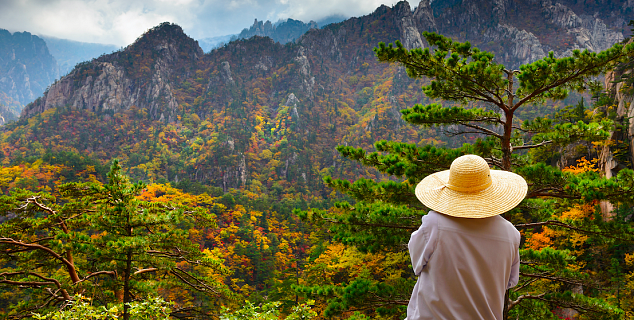
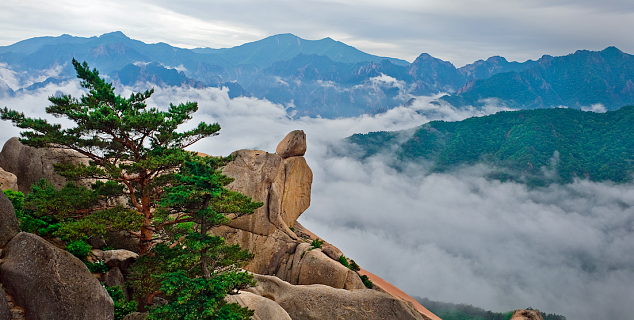
Heading north, you visit Haeinsa Temple in Gayasan National Park and Hahoe Folk Village near Andong, then spend 1 night in Chungju with a boat trip on Chungju Lake. Via Gangneung on the east coast you reach Seoraksan National Park for 2 nights, one of them a temple stay with dinner, guided meditation, a bell-ringing ceremony and an early-morning service. You also ride the cable car up to Gwongeumseong Fortress and visit Sinheungsa Temple. On the way back to Seoul for your last night, you look across the DMZ from the Unification Observatory and stop at the Garden of Morning Calm.
Seoraksan is at its busiest in October, when the leaves turn, so book early if you’d like to travel in autumn. Like all our trips, it’s easy to adjust: add nights where you’d like longer, upgrade your hotels or change the route to suit you.
Tell us your dates and we’ll price this trip for you, or tailor it around your interests.
Or call 0333 7000 747 (Mon–Fri, 9am–6pm)
What’s Included
- Flights: Return economy flights from the UK to Seoul, including airline taxes
- Accommodation: 10 nights with breakfast daily: 9 nights in hotels and 1 night in a temple stay with dinner
- Transfers: All transfers and travel between places by private car
- Sightseeing: Private sightseeing across Seoul, Songnisan, Gyeongju, Busan, Gayasan, Andong, Chungju and Seoraksan
- Experiences: A temple stay with meditation, bell-ringing and an early-morning service; a boat trip on Chungju Lake; the Seoraksan cable car; the Unification Observatory
- Protection: Fully ATOL & Travel Trust protected
Your Route
- Seoul – 2 nights
- Songnisan National Park – 1 night
- Gyeongju – 2 nights
- Busan – 1 night
- Chungju – 1 night
- Seoraksan National Park – 2 nights
- Seoul – 1 night
10 nights in South Korea, plus an overnight flight out. Depending on the airline, your flight home may also be overnight.
Is this a private trip, and can I change it?
It’s a private trip built around your dates, not a group tour on fixed departures. You travel by private car throughout, your sightseeing is private, and your temple stay in Seoraksan includes guided meditation.
You can change anything: add nights, swap places, upgrade hotels or slow the pace, and we’ll reprice it for you.
When is the best time to go?
Autumn is the best time for this trip. Seoraksan is usually the first place in Korea where the leaves turn, from early to mid October, and the colour moves south through Songnisan and Gyeongju into early November. Seoraksan is very busy at weekends in October, so book early.
Spring, from April to May, is also lovely, with cherry blossom in late March or early April. Summer is hot and humid, with a rainy season from late June through July. Winter is cold, with snow in the mountains. Around Chuseok in September or October and Lunar New Year in January or February, roads are busy and some places close, so we’ll plan around them.
Which airlines do you use?
We work with the main airlines flying to South Korea, including Korean Air, Virgin Atlantic, Asiana and Finnair. Direct flights from London Heathrow to Seoul Incheon take around 14 hours, and Finnair flies via Helsinki, often with good fares.
The flight out is overnight, landing in Seoul the next day. The flight home is usually a daytime flight, landing in the UK the same day. We can also book connecting flights from regional UK airports, and you’re welcome to ask for a particular airline.
What are the hotels like?
We choose hotels for their location, comfort and character, from boutique city hotels to international chains. Rooms in Seoul and Busan are often compact, while hotels in smaller towns and national parks tend to be roomier but simpler.
Check-in is usually from 3pm, and hotels will keep your bags if you arrive earlier. If you’d like a night in a hanok, a traditional wooden house where you may sleep on a mattress on a heated floor, we can add one.
How do we get around?
You travel by private car with a driver the whole way round, so your luggage stays with you in the car. Some days are long. The drive north from Busan to Chungju, with stops at Haeinsa Temple and Hahoe Folk Village, takes most of the day.
Korea’s expressways are good, and the service areas along them have clean toilets and food courts, so there are easy places to stop. In Seoul the metro is quick, cheap and signed in English if you want to explore on your own.
-
Private drivers can be arranged for scenic regions such as Mount Seoraksan or Jeju Island.
-
Car hire is possible, but we generally recommend using trains and transfers for ease and safety, as signs and parking can be challenging outside major cities.
Is South Korea Expensive?
South Korea offers excellent value for its quality of food, transport, and accommodation. Eating out is very affordable — delicious street food and local restaurants provide great meals for a fraction of European prices. Public transport is efficient and inexpensive, and attractions like palaces, temples, and museums charge modest entrance fees. Luxury hotels and private tours can be more expensive, especially in peak seasons, but we always tailor itineraries to match your comfort and budget.
Do I Need a Visa to Visit South Korea?
UK citizens do not currently need a visa for visits up to 90 days. Travellers must complete the K-ETA (Korea Electronic Travel Authorisation) online before travelling — a quick and simple process. If you hold a different passport or plan a longer stay, please let us know and we’ll advise accordingly.
What’s Included in the Price?
Your quotation will clearly outline everything included — typically flights, accommodation, private transfers or rail passes, and any guided experiences. Local taxes are generally included, though some hotels may charge small service fees upon check-out. We’ll make sure there are no hidden extras, and provide clear payment details at the quotation stage.
How Much Luggage Can I Take?
International airlines to South Korea usually include one checked bag (20–23kg) and one cabin bag. Domestic or KTX rail journeys have generous luggage allowances, and porters or luggage delivery services can be arranged between cities if preferred.
Will My Mobile Phone Work in South Korea?
Most UK and European mobile networks offer roaming in South Korea. Alternatively, we recommend purchasing a local SIM card or eSIM upon arrival for reliable data and maps. Free Wi-Fi is widely available in hotels, cafés, and public transport.
What About Jet Lag and Time Zones?
South Korea is 9 hours ahead of the UK. We plan our itineraries with an easy arrival day in Seoul to help you adjust — often including light sightseeing or a cultural walk before you rest. Staying hydrated, eating lightly, and adjusting your sleep schedule a day before flying can help reduce jet lag.
What is the temple stay like?
You spend one night at a working Buddhist temple in Seoraksan National Park. It includes a simple temple dinner, guided meditation, a bell-ringing ceremony and an early-morning service, which usually starts before dawn.
Rooms are basic, and you’ll often sleep on a mattress on a heated floor, with shared bathrooms. Temples usually lend you loose clothes to wear. Pack a small overnight bag for the night.
Do I need a visa?
UK passport holders don’t need a visa for a holiday in South Korea. You may need a K-ETA (Korea Electronic Travel Authorisation) before you fly, as the rules for UK travellers have changed in recent years. If you do, apply only through the official K-ETA website, because other sites charge extra for the same thing.
Check the latest FCDO travel advice for South Korea before you book and again before you travel. If you hold a different passport, ask us and we’ll help you check what you need.
What isn’t included, and do I need to tip?
You’ll pay for lunches and dinners other than at the temple stay, drinks, personal spending and travel insurance. Your quote lists exactly what’s included.
Tipping isn’t part of Korean culture, and restaurants, taxis and hotels don’t expect it. Cards, including contactless, are accepted almost everywhere, but carry some Korean won for street food, markets and topping up a T-money travel card, which usually needs cash.
How do I pay, and is my money protected?
We take a deposit to confirm your booking, and the balance is due before you travel. Your quote shows the exact amounts and dates.
Every holiday with flights is ATOL protected (ATOL T9762), and we’re members of the Travel Trust Association (U5660), so the money you pay us is protected. We also strongly recommend taking out travel insurance as soon as you book.
What happens if something goes wrong while I’m away?
You’ll have a 24-hour emergency number for your whole trip. During office hours, Monday to Friday, 9am to 6pm UK time, you can also call our team on 0333 7000 747.
Who are Jasmine Holidays?
We’re an independent UK tour operator, arranging tailor-made holidays since 2007. You deal with one specialist from your first call until you’re home, and our clients rate us 4.9 out of 5 on Trustpilot.
Seoul
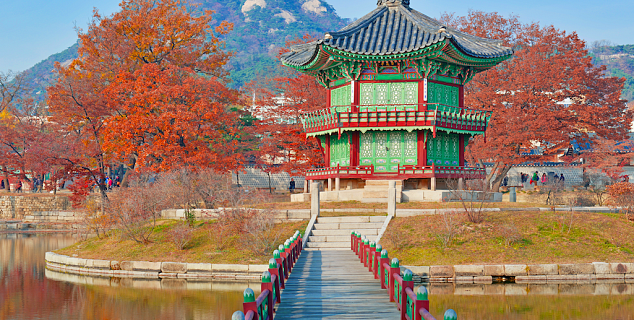
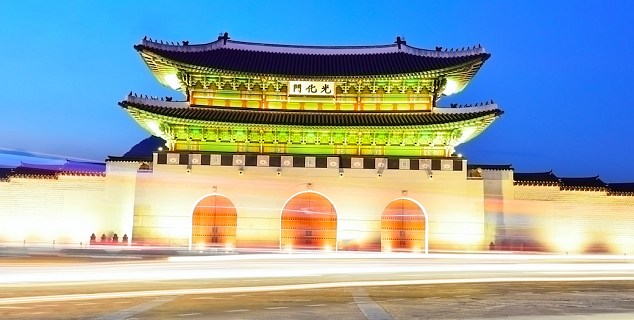
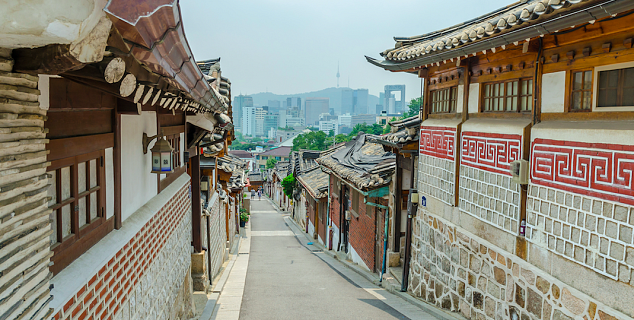
Buzzing, bold, and brilliantly multifaceted, Seoul is a city where ultra-modern skyscrapers and high-tech subways coexist with serene temples, ancient palaces, and quiet hanok villages.
Often described as the heartbeat of South Korea, Seoul is a place where centuries-old tradition and cutting-edge innovation merge seamlessly. Neon-lit districts like Gangnam and Hongdae pulse with energy, fashion, and music, while tranquil spots such as Bukchon Hanok Village and Gyeongbokgung Palace whisper stories of dynasties past.
Beyond its glittering skyline, Seoul is a cultural powerhouse—home to pioneering design, dynamic street food, vibrant K-pop culture, and an ever-evolving art and café scene that keeps it perpetually fresh and fascinating.
Mount Songnisan National Park
Tucked away in the heart of the Korean Peninsula, Mount Songnisan National Park is a place of spiritual serenity and rugged natural beauty.
The park’s dramatic peaks, ancient pine forests, and crystal-clear streams form the backdrop to one of Korea’s most revered temples, Beopjusa—home to a towering bronze Buddha and centuries of Buddhist heritage.
Visitors come here to hike winding mountain trails that lead to breathtaking panoramas and to experience the peaceful rhythm of temple life that has endured since the Silla Dynasty.
Whether you’re seeking a moment of quiet reflection or an invigorating trek through pristine wilderness, Songnisan offers an enchanting escape into Korea’s beautiful landscape.
Gyeongju
Often referred to as “the museum without walls,” Gyeongju is a living testament to Korea’s ancient Silla Kingdom and one of the most historically rich destinations in the country.
Here, royal tombs dot the landscape as grassy mounds, ancient pagodas sit beside peaceful lotus ponds, and centuries-old stone carvings are found along the nearby mountainsides.
Strolling through Gyeongju feels like stepping back in time—each corner reveals traces of Korea’s golden age, from the exquisite Bulguksa Temple and Seokguram Grotto to the charming traditional streets around Hwangnidan-gil.
Busan
South Korea’s spirited second city, Busan, perfectly balances urban energy with laid-back coastal charm.
Set between forested mountains and the shimmering sea, Busan is famed for its golden beaches, bustling seafood markets, and colorful hillside neighborhoods that tumble down toward the water.
Haeundae and Gwangalli beaches draw crowds in summer, while the jagged cliffs of Taejongdae and the vibrant alleys of Gamcheon Culture Village reveal a more artistic, introspective side.
Add in world-class film festivals, steamy natural hot springs, and some of the best seafood in Asia, and it’s clear why Busan captures the imagination of travelers seeking both excitement and escape.
Chungju
Located on the shores of the picturesque Chungju Lake and surrounded by mountains, Chungju is a city that blends natural beauty with history. Visitors can explore tranquil lakeside promenades, historic temples, and traditional villages, or enjoy outdoor activities like boating and hiking. The city’s relaxed pace makes it an ideal base for experiencing Korea’s scenic countryside.
Gayasan National Park
Gayasan National Park is a sanctuary of forested peaks, rugged cliffs, and cascading waterfalls, attracting hikers and nature enthusiasts year-round. The park is home to Haeinsa Temple, a UNESCO World Heritage site that houses the Tripitaka Koreana, one of the most complete collections of Buddhist scriptures in the world. Scenic trails wind through pine forests and granite ridges, offering both spiritual calm and breathtaking views.
Andong
Andong is a vibrant center of traditional Korean culture, best known for the Hahoe Folk Village, where centuries-old homes, Confucian rituals, and local customs are preserved. The city also boasts a rich culinary scene, with specialties such as Andong jjimdak (braised chicken) and bustling local markets. Its riverside charm, historic sites, and cultural festivals make it a must-visit destination for travelers seeking an authentic Korean experience.
Mount Seoraksan National Park
Renowned for its dramatic peaks, rugged cliffs, and lush forests, Mount Seoraksan National Park is one of South Korea’s most striking natural landscapes. Visitors can explore a network of hiking trails ranging from gentle walks to challenging climbs, all offering breathtaking vistas of granite spires, waterfalls, and valleys. The park is also home to historic Buddhist temples such as Sinheungsa, adding a spiritual dimension to the stunning scenery.
Gangneung
Set along South Korea’s scenic east coast, Gangneung perfectly blends coastal beauty with cultural charm. The city is famous for its long sandy beaches, including Gyeongpo Beach, which comes alive in summer with watersports, cafés, and festivals. Beyond the shore, Gangneung is home to traditional markets, tea fields, and cultural landmarks, offering a rich taste of local life. With its vibrant coffee culture, arts scene, and stunning sunrises over the East Sea, Gangneung is a captivating destination for both relaxation and exploration.
View Itinerary in Detail
To view a sample holiday, click on one of the links below. This will open the itinerary up in a new window.
All of our South Korea Holidays are completely tailor made and we can put together any kind of itinerary to suit your interests and budget.
We have many other options so if you have a particular hotel in mind just let us know and we'll put together a price and itinerary for you.
Contact Us
Have a question about this trip, or would you like it priced for your dates? Our specialists are happy to help.
Call us on 0333 7000 747
Lines open Mon–Fri, 9am–6pm, with 24-hour support while you’re away.
Prefer email? sales@jasmineholidays.co.uk
South Korea Panorama
South Korea Panorama
Discover the best of South Korea's landscapes and culture on this round trip journey from Seoul.
Includes all flights from UK, Accommodation including Temple Stay, Breakfast, Tours, Transfers.

